
Underground Pipe Detection in Florida
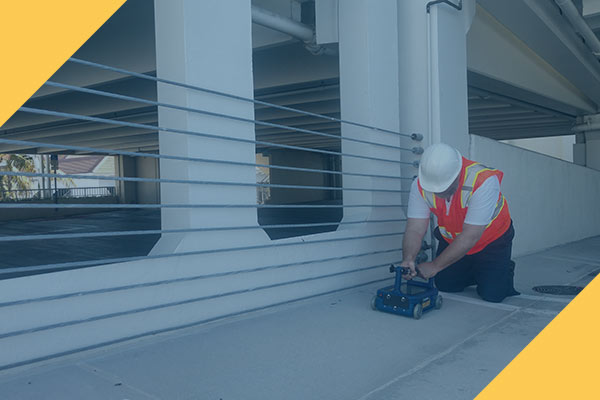
Underground pipe detection is the process of tracing buried pipe runs — active, abandoned, or unknown — before excavation equipment breaks ground. Unlike standard electromagnetic utility locating, which works well for known metallic utilities, underground pipe detection focuses specifically on finding pipe routes that are uncertain, unmapped, or non-metallic in nature. It is the right call when you are not sure what's down there or where it goes.
How This Differs from Standard Utility Locating
Standard private utility locating (via electromagnetic induction) traces active and conductive utilities — electrical feeders, metallic water mains, metallic gas lines — by applying a signal to the line or picking up the line's broadcast. It works well when the utility is metallic and the routing is generally known.
Underground pipe detection goes further in situations where:
- The pipe route is completely unknown and no signal can be applied
- The pipe is non-metallic (PVC, clay, concrete, HDPE) with no tracer wire
- The pipe may be abandoned and no longer connected to an active system
- Multiple pipes run in close proximity and their individual paths need to be separated
- The utility records are missing, contradictory, or from a period before modern documentation standards
In these situations, GPR supplements or replaces EM locating by scanning the subsurface directly and identifying buried objects regardless of whether they carry a signal.
When Underground Pipe Detection Is Used
- Before trenching on properties with incomplete or missing utility records
- Before excavation on older industrial or institutional sites where legacy utilities are present
- Before utility reroutes where the existing run must be confirmed before tie-in
- Before paving removal where drainage or conduit routing is unknown
- Before soil borings or test pits in utility-congested areas
- Before any excavation on properties with a history of utility work without documentation
What Can and Cannot Be Detected
GPR can identify buried objects that have different electromagnetic properties from the surrounding soil. In favorable conditions this includes:
- Metal pipe — water mains, gas lines, conduit, casing
- Large-diameter non-metallic pipe — concrete, clay, or HDPE pipe of sufficient size relative to depth
- Abandoned pipe filled with air or water (creates a contrast with surrounding soil)
- Pipe bedding or trench backfill zones that differ from native soil
GPR detection of non-metallic pipe is less reliable than detection of metallic pipe, and results depend heavily on pipe size, depth, soil moisture, and soil type. We will tell you clearly what we can and cannot confirm at your site before you commit to an excavation plan.
What You Receive
- Paint and flag markout of identified pipe runs using APWA color coding
- Notation of probable pipe routing and depth estimates where detectable
- Identification of areas of uncertainty where hand digging is recommended before mechanical excavation
- Verbal briefing with the excavation foreman on findings and limitations
- On request: photo documentation for project records
Schedule Underground Pipe Detection Before You Dig
Tell us the project address, planned trench routes, and what utility records (if any) exist. We will confirm scheduling and scope quickly.
Request Underground Pipe DetectionFrequently Asked Questions
Related services: Utility Locating Services | GPR Concrete Scanning | Void Detection | How to Avoid Underground Utility Damage